i-Pill and Unwanted 72: Side Effects, Dosage, and When to Use

By Dr. Meera Iyer
Gynecologist & Sexual Health Educator · MBBS, MS (OBG), Mumbai
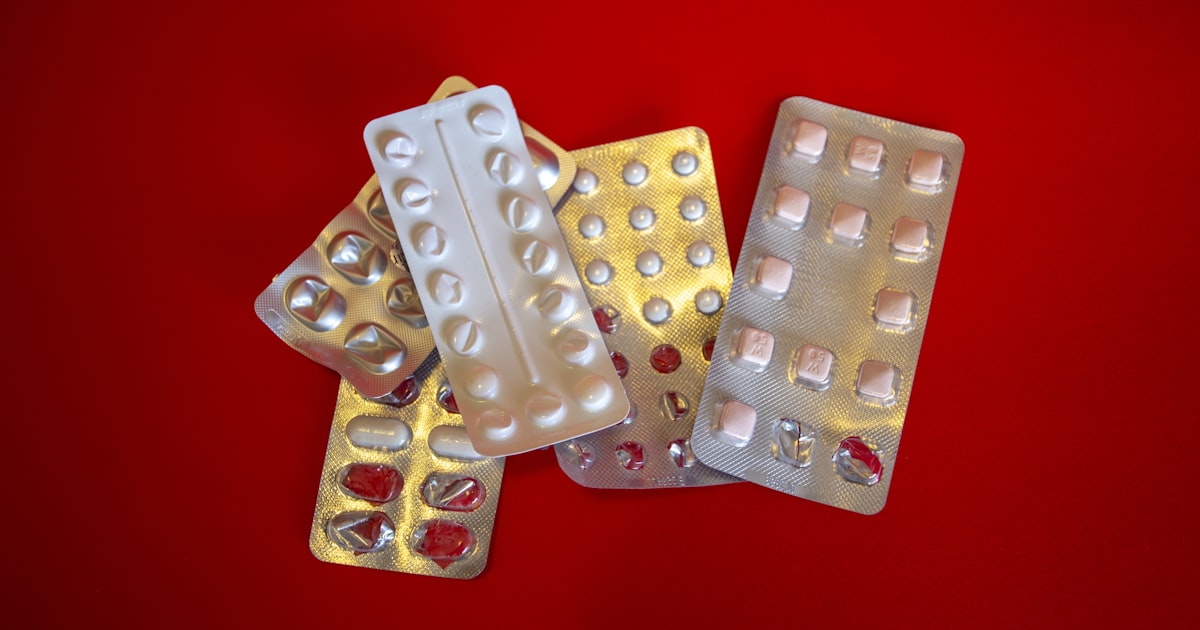
Emergency contraception. Morning-after pill. i-Pill. Unwanted 72. Whatever name you know it by — if you've ever had unprotected sex or a condom broke, you've probably searched for information about it in a mild panic.
And that's okay. That's exactly what these pills are designed for — emergencies.
But here's the problem: most information available online is either too clinical to understand, loaded with fear-mongering about side effects, or — worst of all — morally judgmental. None of that helps when you're stressed and need clear answers.
So let's break this down. What are these pills? How do they work? What are the real side effects? When should you take them? And what are the things nobody tells you?
What Are i-Pill and Unwanted 72?
Both i-Pill and Unwanted 72 are brand names for the same drug: levonorgestrel 1.5 mg. This is a synthetic progestin hormone.
Other brands available in India include Pill 72, Preventol, and No-Will. They all contain the same active ingredient in the same dose — levonorgestrel 1.5 mg.
These pills are available over the counter in India. You don't need a prescription. You can buy them at any pharmacy.
Important: Emergency contraceptive pills (ECPs) are not abortion pills. They prevent pregnancy — they don't end one. More on this below.
How Does It Work? The Science
Levonorgestrel works by:
- Delaying or preventing ovulation: If your body hasn't released an egg yet, the pill prevents it from happening. No egg = no fertilization = no pregnancy.
- Affecting sperm movement: The pill thickens cervical mucus, making it harder for sperm to reach an egg.
- Important clarification: The WHO states clearly that emergency contraceptive pills "cannot interrupt an established pregnancy or harm a developing embryo." If you are already pregnant, the pill will not cause an abortion. It simply won't work — but it also won't harm the pregnancy.
This is crucial to understand because there's widespread misinformation in India that ECPs cause abortions. They don't.
Dr. Aruna Kumar, Senior Gynecologist at Fortis Hospital, explains: "Emergency contraceptive pills work by delaying ovulation. They cannot terminate an existing pregnancy. Calling them 'abortion pills' is medically incorrect and creates unnecessary fear among women who need this option."
When Should You Take It?
Emergency contraception should be taken as soon as possible after unprotected sex. Here's how timing affects effectiveness:
| Time After Unprotected Sex | Effectiveness |
|---|---|
| Within 24 hours | Up to 95% |
| 25-48 hours | About 85% |
| 49-72 hours | About 58% |
| After 72 hours | Significantly reduced — not recommended |
The keyword here is emergency. The sooner you take it, the better it works. Don't wait.
How to take it: Swallow one tablet with water. That's it. No complicated dosing. No need to take it with food (though eating something can help if you feel nauseous).
Real Side Effects: What to Expect
Let's be honest about side effects without dramatizing them. Most side effects are mild and temporary.
Common Side Effects (experienced by some users):
- Nausea: The most common side effect. Usually mild. If you vomit within 2 hours of taking the pill, you may need to take another dose — consult a pharmacist or doctor.
- Headache: Typically mild and resolves within a day.
- Fatigue and dizziness: Your body is processing a hormonal dose, so feeling tired is expected.
- Breast tenderness: Temporary and caused by the hormonal surge.
- Lower abdominal pain or cramping: Mild and typically short-lived.
Effects on Your Period:
This is the side effect that causes the most anxiety, so let's be very clear:
- Your next period may come early or late — usually within a week of the expected date. This is the most common effect and is completely normal.
- You may experience spotting or light bleeding between periods. This is not your period — it's breakthrough bleeding caused by the hormonal change.
- Your period may be heavier or lighter than usual for one cycle.
- If your period is more than 7 days late after taking the pill, take a pregnancy test. The pill is effective but not 100%.
What Side Effects Are NOT Normal:
See a doctor if you experience:
- Severe abdominal pain (could indicate ectopic pregnancy)
- Very heavy bleeding that soaks through a pad every hour
- Allergic reactions (rash, swelling, difficulty breathing)
- Symptoms persisting beyond a week
6 Important Statistics About Emergency Contraception in India
- Only 48% of Indian women are aware that emergency contraceptive pills exist, according to NFHS-5 data (2019-21) — up from just 11% in 2005-06. That means more than half of Indian women don't know about a safe option available to them. (Source: PMC, 2023 — Analysis of NFHS data)
- Usage remains extremely low: Despite growing awareness, less than 1% of women surveyed (0.55%) had actually used an ECP. (Source: Health Policy and Planning, Oxford Academic, 2023)
- Urban-rural gap: Awareness is higher in urban areas (55%) compared to rural areas (44%). (Source: NFHS-5 analysis, PMC, 2023)
- Effectiveness window matters: When taken within 24 hours, ECPs are up to 95% effective. At 49-72 hours, this drops to roughly 58%. Timing is everything. (Source: Fortis Healthcare)
- WHO safety endorsement: The WHO states that levonorgestrel-based emergency contraception is "safe for all women" and that there are "no restrictions for the medical eligibility of who can use ECPs." (Source: WHO Fact Sheet on Emergency Contraception)
- India is the third-largest market for morning-after pills globally. Yet awareness and accurate knowledge remain critically low, especially among young women who need this information most. (Source: The Swaddle)
Things Nobody Tells You About Emergency Contraception
1. It's not as scary as the internet makes it sound
The side effects of a single dose of levonorgestrel are comparable to what some women experience from a slightly heavier period. It's a hormonal adjustment, not a medical event.
The WHO confirms: "Side effects from emergency contraceptive pills are similar to those of oral contraceptive pills, such as nausea and vomiting, slight irregular vaginal bleeding, and fatigue. Side effects are not common, they are mild, and will normally resolve without further medications."
2. It does NOT affect your future fertility
This is one of the biggest fears — and it's unfounded. The WHO explicitly states: "Drugs used for emergency contraception do not harm future fertility. There is no delay in the return to fertility after taking ECPs."
You can get pregnant in your very next cycle after taking an ECP.
3. You can use it more than once
While ECPs are not meant to replace regular contraception, using them more than once is not dangerous. The WHO guidelines indicate that levonorgestrel-based contraception is safe for repeated use. A 2025 systematic review confirmed the safety of repeated use within the same menstrual cycle. (Source: PubMed, 2025)
That said, if you're frequently needing emergency contraception, it's a good idea to explore regular contraception options (like oral contraceptive pills, condoms, or IUDs) — not because ECPs are dangerous, but because regular methods are more effective at preventing pregnancy.
Dr. Nozer Sheriar, former Secretary General of the Federation of Obstetric and Gynaecological Societies of India (FOGSI), has stated: "There is no medical reason to restrict access to emergency contraceptive pills. They are safe, they are effective, and they are an important part of women's reproductive autonomy. The stigma around ECPs needs to go."
4. It doesn't protect against STIs
ECPs prevent pregnancy. They do not protect against sexually transmitted infections (STIs). For STI protection, you need barrier methods like condoms.
5. It works by preventing pregnancy, not ending one
We've said this already, but it bears repeating because the misinformation is so widespread: ECPs are not abortion pills. They work before pregnancy is established. If you are already pregnant, the pill will not affect the pregnancy.
6. Body weight may affect effectiveness
Some research suggests that ECPs may be less effective for women with higher body weight (over 70-80 kg). If this applies to you, talk to your doctor about alternative emergency contraception options, such as a copper IUD (which is the most effective form of emergency contraception regardless of weight).
i-Pill vs. Unwanted 72: Is There a Difference?
Practically, no. Both contain levonorgestrel 1.5 mg. The difference is brand name and manufacturer:
| Feature | i-Pill | Unwanted 72 |
|---|---|---|
| Active ingredient | Levonorgestrel 1.5 mg | Levonorgestrel 1.5 mg |
| Manufacturer | Piramal Healthcare | Mankind Pharma |
| Price (approximate) | Rs. 80-100 | Rs. 70-90 |
| Availability | OTC at pharmacies | OTC at pharmacies |
| Effectiveness | Same | Same |
| Side effects | Same | Same |
Choose whichever is available. They work identically.
When Should You NOT Use Emergency Contraception?
- As your regular birth control method: ECPs are less effective than regular contraception. Condoms, oral contraceptive pills, and IUDs are all better options for ongoing pregnancy prevention.
- If you're already confirmed pregnant: ECPs won't terminate a pregnancy and serve no purpose.
- If you're allergic to levonorgestrel: Rare, but possible. If you've had an allergic reaction before, consult your doctor about alternatives.
Better Alternatives for Regular Contraception
If you're sexually active, here are more reliable options than relying on ECPs:
- Condoms: 98% effective when used correctly. Also protect against STIs.
- Oral contraceptive pills: 99% effective with consistent daily use. Require a doctor's prescription in India.
- Copper IUD: 99%+ effective, lasts 5-10 years, no hormones. Inserted by a doctor.
- Hormonal IUD: 99%+ effective, also treats heavy periods.
Talk to a gynecologist about which option is right for you.
FAQs
Q: Can I buy i-Pill without a prescription?
Yes. Emergency contraceptive pills containing levonorgestrel are available over the counter in India. You don't need a prescription. Any pharmacy should sell them — you don't even need to explain why you need one.
Q: Will the pharmacist judge me for buying it?
They might — let's be real about the cultural reality. Some pharmacists in India may be judgmental, especially toward young women. But remember: you have every legal right to buy this medication, and no pharmacist can refuse to sell it to you. If one makes you uncomfortable, go to a different pharmacy. You can also order online through pharmacy apps.
Q: I took the pill but my period is late. Am I pregnant?
A delay of up to a week is a common side effect of emergency contraception. If your period is more than 7 days late, take a home pregnancy test. If the test is positive, see a doctor. If the test is negative but your period still hasn't come, wait a few more days and test again — or see a gynecologist.
Q: How many times can I take the emergency pill in a month?
While the WHO says repeated use is safe, it's best not to rely on ECPs as regular contraception. If you find yourself needing them more than once or twice, talk to a doctor about a regular contraception method that works for you.
Q: Can my partner take the pill? (I'm a man)
No. ECPs are designed for the person who can become pregnant. The pill has no effect on male bodies.
The Bottom Line
Emergency contraceptive pills like i-Pill and Unwanted 72 are safe, effective, and widely available in India. They prevent pregnancy — they don't cause abortion. Their side effects are mild and temporary. And they don't affect your future fertility.
The biggest barrier to using emergency contraception in India isn't medical risk — it's stigma, shame, and lack of accurate information. More than half of Indian women still don't know ECPs exist.
If you want to learn more about contraception, sexual health, and reproductive rights without the judgment, Samjho has you covered with short, clear, medically accurate videos.
Your health. Your body. Your choice. No judgment here.
Medical Disclaimer: This article is for educational purposes only and is not a substitute for professional medical advice. Always consult a healthcare provider for questions specific to your health situation. If you think you might be pregnant, see a doctor.
Sources:
- WHO — Emergency Contraception Fact Sheet
- WHO — Safety of Levonorgestrel-Alone Emergency Contraceptive Pills
- PMC (2023) — Do Indian women know about and use the emergency contraceptive pill? (NFHS data analysis)
- Health Policy and Planning, Oxford Academic (2023) — ECP awareness and use in India
- Fortis Healthcare — i-Pill Side Effects: Impact on Periods, Pregnancy & Health Risks
- Apollo Pharmacy — i-Pill Emergency Contraceptive Pill
- PubMed (2025) — Safety of repeated use of emergency contraceptive pills in the same menstrual cycle
- The Swaddle — How the Morning-After Pill Became the Most-Used Birth Control for Young Indian Women
- Infinity Care Hospital — Comprehensive Guide to i-Pill